




Standing Upright for a Long Time
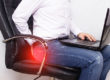
Although the exact cause-effect relationship is not fully known, standing upright, unlike other living things, is thought to cause a great filling of blood and pressure in the breech veins (veins in the anus). This is a factor that facilitates the development of the disease.
Eating habits
Another important cause of hemorrhoids is the eating habit. With the development of the industry in the western society since the 20th century, the eating habits have also changed. As a result, dietary fiber (pulp) foods decreased. However, non-digestible fibers in the body absorb 30 times as much water and make the stool soft and shaped. Thus, defecation can be made easily, without forcing and straining. Otherwise, strain and strain will further increase the pressure in this area. As a result, hemorrhoids may develop. It is known that the incidence of hemorrhoids disease increases in the absence of fiber (pulp) foods in meals.

False Defecation Habits
Although most people have hemorrhoids, they do not change their defecation habits. Incorrect habits, such as the defecation habit being uneven or the defecation delayed voluntarily, cause the stool to harden. Straining during the defecation and long waiting in the toilet increases the enlargement of the hemorrhoidal vessels. During the passing of solid and hard stool through the anus, damage to these vessels occurs. Therefore, pain and sometimes bleeding occur.

Constipation
Another important factor in regulating the defecation habit is the amount of water drunk. Normally it is necessary to drink at least 8-10 glasses of water a day unless there is any disease that restricts water intake. Drinking a small amount of water can cause constipation. Since constipation will also cause strain, complaints of hemorrhoids may increase.

In addition, the factors that cause aggravation of the disease are as follows;
- Age
- Chronic (prolonged) constipation or diarrhea
- pregnancy
- Genetic causes (hereditary)
- Frequent use of drugs (laxatives and enemas) that facilitate defecation
- Tough and prolonged strains to defecate
- Sitting in the toilet for a long time (reading newspapers, books, etc.)
- Heavy lifting
- Consuming nutrients that cause aggravation of the disease (alcohol, spicy foods)
Whatever the reason, the tissues that support these vascular networks (veins in the breech canal) are stretched and as a result these vessels expand, the surrounding support tissue and walls become thinner and bleeding occurs. If tension increases, pressure continues, these thin veins come out of the anus.