









Description
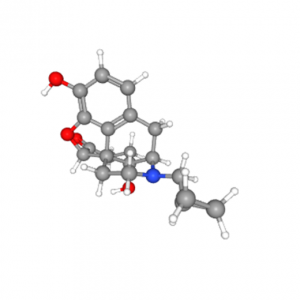
Naltrexone Hydrochloride 50 Mg 100 Caps.
1. Clinical information
1.1 Therapeutic indications
For use as an additional therapy in a comprehensive treatment program, including psychological guidance for opioid-dependent (see Sections 4.2 and 4.4) and detoxified patients with alcohol dependence to support withdrawal.
1.2 Posology and method of administration
Use in adults
Naltrexone treatment should be initiated and supervised by appropriate specialist physicians.
For opalite dependent patient, the initial dose of naltrexone hydrochloride should be 25 mg (half a tablet) followed by a normal dose of one tablet per day (= 50 mg naltrexone hydrochloride).
A missed dose can be managed by providing 1 tablet daily, until the next regular dosage application.
Naltrexone administered to opioid-dependent individuals can cause life-threatening withdrawal symptoms. Patients suspected of using opioids or suspected to be addicted should undergo naloxone provocation testing before starting treatment for 7-10 days (urine test) to confirm that they have not received any opioids.
Since naltrexone is an adjunct therapy and the full recovery process is individually variable in opioid-dependent patients, a standard treatment period cannot be specified; a three-month start period should be considered. However, long-term administration may be necessary.
The recommended dose for alcohol dependence to support withdrawal is 50 mg per day (1 tablet). A dose of over 150 mg is not recommended on any day, as this can lead to a higher incidence of side effects.
Since naltrexone hydrochloride is an adjunct therapy and the process of full recovery from alcohol dependence is individually variable, a standard treatment period cannot be specified; a three-month start period should be considered. However, long-term administration may be necessary
The dosage regimen can be changed to improve compliance with a dosing schedule three times a week as follows: Monday and Wednesday 2 tablets (= 100 mg naltrexone hydrochloride) and 3 tablets (= 150 mg naltrexone) hydrochloride) on Friday.
Pediatric population
Naltrexone should not be used in children and adolescents under 18 years of age because there are no clinical data in this age group. Safe use in children has not been established.
Older people
There is insufficient data on the safety and efficacy of naltrexone for this indication in elderly patients.


Reviews
There are no reviews yet.